

Moving a vehicle across provinces can feel stressful without proper planning. Professional Canadian Car Shipping services help drivers transport vehicles safely while avoiding long road trips and unnecessary wear. Many Canadians now prefer vehicle transport companies because they save time, reduce fuel expenses, and protect cars from harsh weather conditions.
Auto transport services support many situations, including relocations, seasonal travel, dealership transfers, and online vehicle purchases. Reliable carriers manage logistics, scheduling, and insurance coverage throughout the transportation process. Customers can choose open or enclosed transport depending on vehicle type and budget.
Long-distance driving across Canada often exposes vehicles to road debris, snow, and changing climates. Professional shipping reduces those risks while offering structured pickup and delivery schedules. The industry has also improved customer tracking systems and delivery coordination in recent years.
This guide explains how vehicle transport works in Canada, compares shipping options, and shares practical tips for choosing the right provider. Understanding the process helps customers make informed decisions and avoid unnecessary transport complications.
Understanding How Canadian Vehicle Shipping Works
Professional transport companies move vehicles using specialized trailers designed for long-distance transportation. These carriers operate across major Canadian routes and support transport between cities, provinces, and border regions. Customers schedule pickup dates and receive estimated delivery timelines before shipment begins.
Most transport providers offer door-to-door delivery services. Drivers collect vehicles from accessible locations and deliver them close to the final destination. In remote regions, customers may use transport terminals because large carriers need wider road access.
Vehicle transport protects cars from unnecessary mileage and mechanical stress. Long drives create tire wear, engine strain, and exposure to unpredictable weather conditions. Professional shipping helps reduce those concerns while improving travel convenience.
|
Transport Type |
Best Use | Protection Level |
Estimated Cost |
|
Open Carrier |
Standard vehicles |
Moderate | Affordable |
|
Enclosed Carrier |
Luxury vehicles |
High |
Premium |
|
Expedited Shipping |
Urgent transport |
Moderate |
Higher |
|
Cross-Border Shipping |
International transport |
High |
Variable |
Pricing depends on several transportation factors. Distance usually creates the largest impact on overall shipping costs. Vehicle dimensions, seasonal demand, and route popularity also affect pricing structures.
Many providers include insurance coverage with every shipment. Customers should review coverage details before confirming transport arrangements. Inspection reports and documented vehicle conditions help protect both parties during delivery.
The Canadian auto transport industry continues growing because more consumers purchase vehicles online. Shipping services make cross-country transactions easier while improving customer convenience and vehicle safety.
Factors That Influence Auto Transport Costs in Canada
Vehicle transport pricing varies because every shipment includes different logistical requirements. Understanding these factors helps customers estimate costs more accurately before booking services.
Distance remains the primary cost consideration. Shipping a vehicle from Toronto to Vancouver costs more than transport within one province. Longer distances increase fuel usage, labor time, and route coordination expenses.
Vehicle size also changes transport rates significantly. Larger SUVs and pickup trucks occupy more trailer space than compact sedans. Heavy vehicles increase fuel consumption and reduce carrier efficiency.
Seasonal Demand and Delivery Conditions
Canadian weather strongly affects transportation schedules and pricing. Winter storms create difficult driving conditions across many provinces. Snow and icy roads can delay deliveries and increase operational risks.
Summer often provides more stable transportation conditions. However, moving season demand may still affect carrier availability. Booking early usually improves scheduling flexibility and pricing options.
Remote destinations sometimes require additional coordination. Rural locations may involve terminal transfers or alternate delivery arrangements. Urban centers generally support faster pickups and deliveries because carriers operate there frequently.
Open and Enclosed Transport Differences
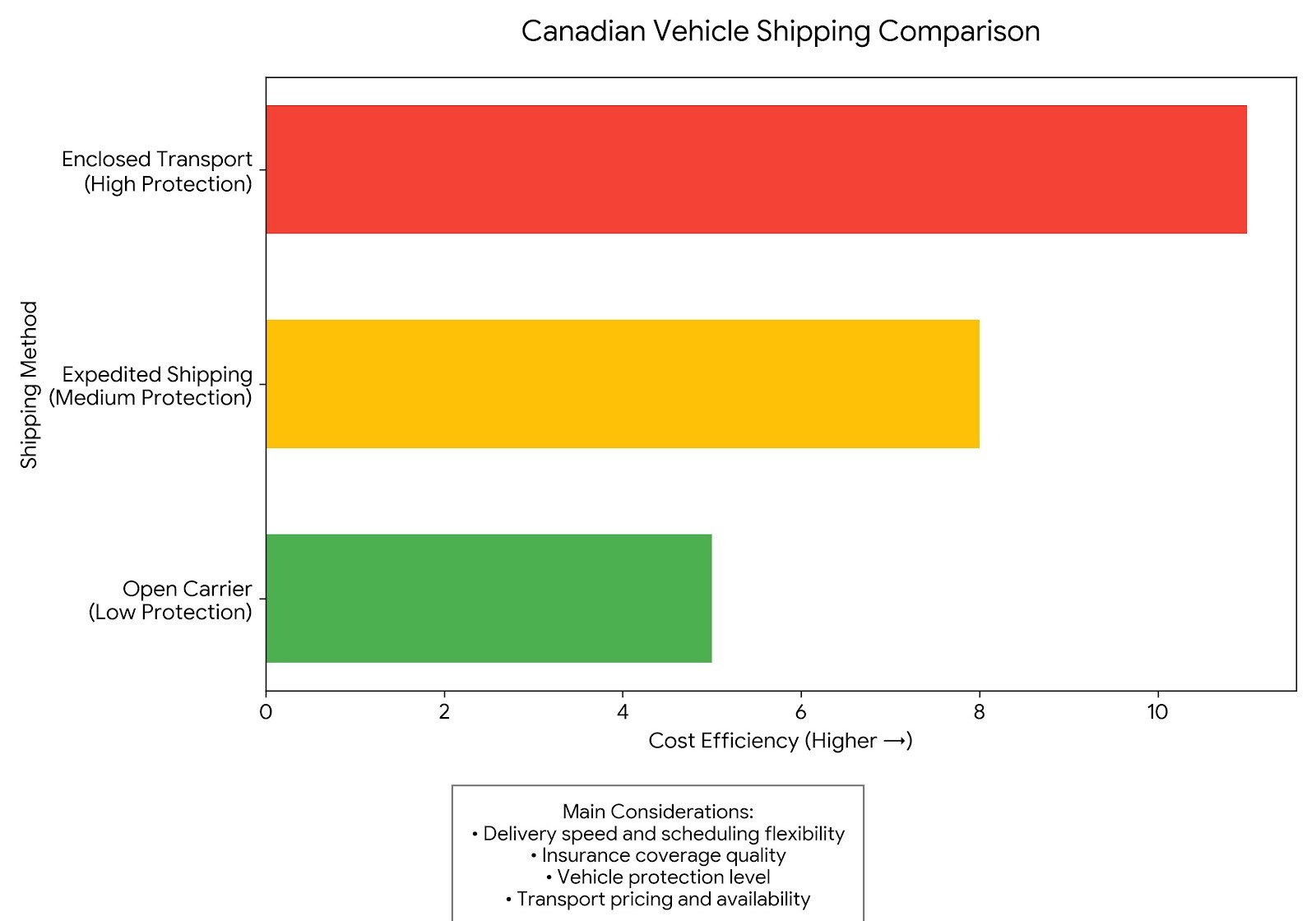
Open carrier transport remains the most popular shipping method. Multiple vehicles travel together on exposed trailers, reducing transportation costs. This option works well for standard daily-use vehicles.
Enclosed transport offers additional protection against weather and road debris. Owners of sports cars, antique vehicles, and luxury models often choose enclosed trailers for better security. Although more expensive, enclosed shipping minimizes exposure during transit.
Several other factors influence vehicle shipping costs:
- Fuel prices and regional demand
- Delivery urgency and expedited scheduling
- Vehicle condition and operability
- Pickup and drop-off accessibility
Operable vehicles cost less because carriers can load them easily. Non-running vehicles require special equipment and additional labor during loading procedures.
Customers should prepare required documentation before shipment day. Vehicle registration, proof of ownership, and identification help prevent delays. Organized paperwork improves scheduling efficiency and reduces transport complications.
Reliable auto transport providers maintain clear communication throughout the shipping process. Shipment updates and delivery estimates help customers plan more effectively during long-distance transportation.
Comparing Different Canadian Car Shipping Options
Choosing the right transport method depends on budget, vehicle value, and timeline expectations. Every shipping option offers different advantages for specific transportation needs.
Open carrier transport remains the standard solution for most customers. It provides affordable transportation while supporting high shipment volumes across Canada. Many dealerships rely on open trailers for inventory transfers between provinces.
Enclosed transport prioritizes vehicle protection. Fully covered trailers shield vehicles from road debris, rain, snow, and dust. Owners of collector vehicles and luxury cars often prefer this transport option.
Vehicle inspection reports remain essential for every shipping method. Drivers and customers inspect the car before transport begins. Photos and documentation help verify vehicle condition during final delivery.
Transport timelines vary depending on distance and route demand. Popular city corridors usually provide faster scheduling because carriers operate there consistently. Remote locations often require additional coordination and flexible delivery windows.
Professional Canadian Car Shipping providers continue improving tracking systems and customer communication tools. Better logistics technology now supports smoother transportation experiences across Canada.
Practical Tips for Choosing the Right Shipping Company
Selecting the right transport provider requires careful research and preparation. Reliable companies improve delivery efficiency while reducing transportation risks.
Customers should first review company experience and industry reputation. Established providers often maintain stronger logistics networks and better-trained drivers. Online reviews can reveal important details about communication quality and delivery consistency.
Insurance verification remains one of the most important steps before booking services. Customers should confirm cargo coverage limits and inspection procedures. Written agreements help avoid confusion during pickup and delivery.
Comparing multiple quotes improves pricing transparency. The cheapest quote may not always include proper insurance or reliable scheduling support. Customers should evaluate service quality alongside transport costs.
Reliable transport providers usually offer:
- Clear written pricing
- Shipment tracking updates
- Vehicle inspection documentation
- Responsive customer support
Vehicle preparation also affects transportation efficiency. Customers should clean the vehicle before pickup because inspections become easier with visible surfaces. Existing dents or scratches should appear on inspection reports before shipment begins.
Removing personal belongings reduces transport risks and prevents unnecessary weight charges. Most carriers discourage storing items inside vehicles during transit. Loose objects may shift during transportation and create interior damage.
Fuel levels should remain low before shipment. Many carriers recommend keeping the tank about one-quarter full. This amount supports loading procedures without adding unnecessary trailer weight.
Flexible pickup dates sometimes reduce overall costs. Transport companies optimize routes using multiple customer shipments. Customers with flexible schedules may receive better pricing and faster carrier availability.
Communication plays an important role throughout the transport process. Responsive providers update customers during pickup, transit, and delivery stages. Consistent updates create confidence during long-distance vehicle transportation.
Final Thoughts on Canadian Vehicle Transport Services
Vehicle transportation has become an essential solution for Canadians moving across provinces or purchasing vehicles remotely. Professional shipping services reduce long-distance driving stress while protecting vehicles from unnecessary wear and weather exposure.
Understanding transport options helps customers choose services that match their budget and vehicle requirements. Open transport provides affordable shipping for standard vehicles, while enclosed transport offers additional protection for premium models. Expedited delivery supports urgent transportation needs with faster scheduling.
Customers should research providers carefully before confirming bookings. Strong communication, transparent pricing, and verified insurance coverage improve the overall experience. Early scheduling also increases flexibility during busy relocation seasons.
The demand for Canadian Car Shipping services continues growing because convenience and vehicle protection matter more than ever. Professional transport providers simplify long-distance relocation while supporting safe and efficient delivery across Canada.
Choosing a dependable transport company ensures vehicles arrive securely and on schedule. Proper planning and informed decisions create a smoother shipping experience for every vehicle owner.
