
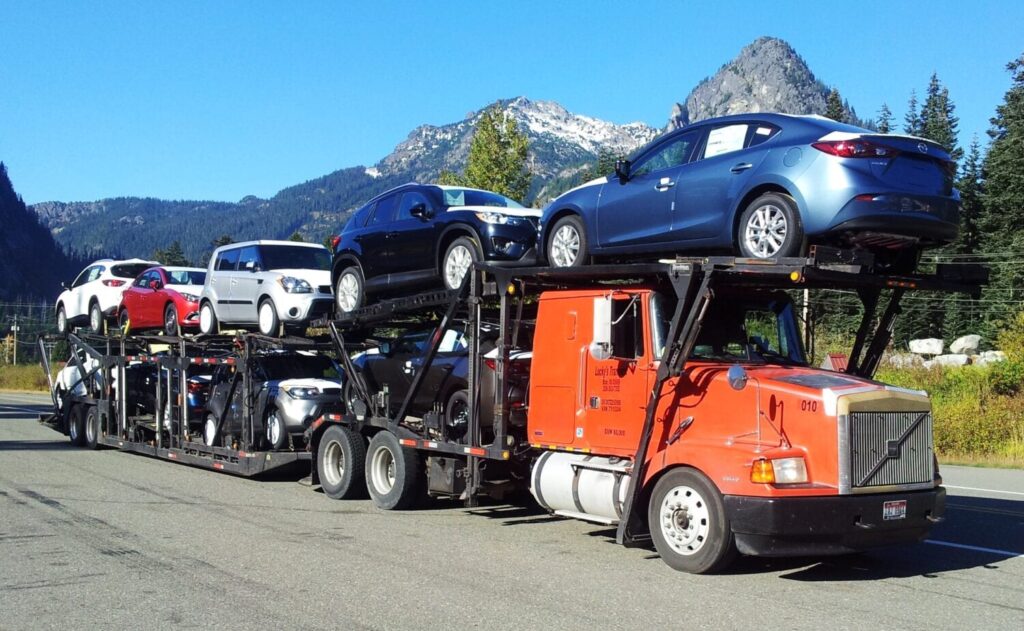
Transporting a vehicle globally isn’t merely about hiring a transport carrier and selecting a destination port. Preliminary inspections for offshore cars to leave a country or enter into another are important to understand, but fails to get attention.
These checks guarantee buyer protection, safety and security of the unit for use, and an environmentally safe installation, as well as verification of your vehicle’s legal status. When shipping a personal vehicle overseas, whether for a sale or a relocation, knowing what to expect may save you time, money, and hassle.
This practical guide will explain all the checks that are relevant, who carries them out, and how to prepare your vehicle.
ShippingCars.org offers reliable assistance to make every step easier if you are looking for help expert for your shipment international.
Complete the Mandatory U.S. Customs Inspection
Before a car can be exported from the U.S. it must pass a U.S. Examination by the border control authorities.
This inspection verifies:
- The vehicle is legally owned
- The VIN (Vehicle Identification Number) matches the title
- The car is not stolen or under a lien without authorization
- Export documents are complete and accurate
What CBP checks:
- Original title
- Bill of sale (if applicable)
- Export declaration forms
- VIN plate and VIN-stamped areas
- Ownership status
Usually, this inspection takes place at the port and documents will be submitted at least 72 hours prior to departure. If any documents are missing, loading may be delayed or export may not be possible at all.
Complete a Pre-Export Condition Inspection
Many shipping companies and countries don’t unload containers before they’ve been loaded. Most reputable shipping companies along with many foreign countries will require vehicles to undergo a condition inspection prior to being loaded into a container or onto a ship.
What this inspection includes:
- Exterior body condition
- Interior condition
- Existing scratches, dents, or damage
- Tire wear and pressure
- Fluid leaks
- Battery condition
- Evidence of mold or contamination
By taking a picture of the car, you will document its condition before shipment. This inspection is used to make insurance claims if any damage occurs during transit.
A few carriers provide digital photo reports for transparency. You may request photos for your records when shipping using services connected to ShippingCars.org.
Meet Destination Country Inspection Requirements
Every nation has its own import rules, and many require “special” inspections prior to arrival or upon arrival. Import and export practices can see shipments denied access or fined.
Countries commonly requiring pre-shipment inspections:
- Kenya
- Tanzania
- Uganda
- New Zealand
- Australia
- Japan
- United Kingdom
Types of inspections required:
- Emissions and Environmental Compliance
- Ensures your vehicle meets environmental standards.
- Example: Some European countries require Euro emissions compliance.
Roadworthiness Tests
- Checks brakes, lights, suspension, and overall safety.
- Countries like Australia and New Zealand enforce strict roadworthiness evaluations.
Radiation Testing
Some countries want radiation checks, especially on Japanese vehicles.
Age Restrictions
- Some countries do not allow cars older than a specific year.
- In some countries, cars cannot be older than.
Odometer Verification
Checks mileage correctness to avoid fraud that many markets require.
Check the regulations of your destination ahead of time. A service like ShippingCars.org makes it easy to confirm inspection standards by country.
Conduct a Mechanical and Safety Inspection
Check the regulations of your destination ahead of time. A service like ShippingCars.org makes it easy to confirm inspection standards by country.
What to inspect:
- Brake system
- Steering and suspension
- Transmission and fluid levels
- Exhaust system
- Electrical components
- Windshield and windows
- Engine belts and hoses
Check the regulations of your destination ahead of time. A service like ShippingCars.org makes it easy to confirm inspection standards by country.

Prepare the Vehicle for International Transport
A mechanical safety inspection is highly advisable even if not mandatory. Going abroad can shake loose components or mechanical problems.
Required cleanliness checks:
- Remove mud from tires and undercarriage
- Clean engine bay carefully
- Wash interior carpeting
- Remove leaves, seeds, or organic debris
- Ensure the trunk and spare tire area are clean
After your car gets overseas, it may encounter problem that might cost a lot. A basic mechanical inspection may help prevent this. This becomes especially important if you are shipping a car that is older or has not been serviced recently.
Proper preparation ensures smooth approval upon arrival.
Perform a Hazardous Materials Check
Many countries request vehicle cleaning before arrival in their country to avoid contamination. Especially New Zealand and Australia.
- Excess fuel in the tank
- Unsecured batteries
- Propane tanks (for RVs)
- Flammable items left in the car
- Leaks from oil, coolant, or brake fluid
Always keep fuel level at ¼ tank or below to minimize fire risk. Some shippers even have requirements lower than the previous ones for container transport.
Obtain Insurance Inspection (If Required)
Some insurers request an inspection if you’re going to the marine insurance or cargo insurance.
This inspection documents:
- Vehicle condition
- Photos of exterior and interior
- Mechanical state
- VIN
- Accessory inventory
It helps to ascertain coverage and ensure value.
If you are using ShippingCars.org, you can contact us if you would like to arrange the Insurance Inspection or get the right coverage.
What Inspections Are Needed for Overseas Cars?
In the beginning, exporting your car abroad may seem difficult. With the right preparations, it can not be an event. The pre-export inspection after CBP inspection must be a visual inspection of the export condition and a test of any compliance checks required by the destination country, plus basic mechanical and safety checks, dangerous goods checks and cleanliness or quarantine inspections. Your insurance may require you to get an inspection. Each and every step is crucial to protecting you, the transporter and the country to which the vehicle is imported. We help you every step of the way to ensure top transport service without delay When preparing an international shipment, start early, have your paperwork in order, and pay careful attention to every step to help avoid delays in export.
