

One of the most intimidating aspects of exporting a car is dealing with customs paperwork. There are various agencies to deal with, the rules differ from country to country, and the requirements can be very strict. The good news is that most of this work will be done for you by professional transport carriers and organizations like ShippingCars.org.
Know the customs clearing process to get your car shipped smoothly and avoid delays. Below is what happens in this process, after you book the shipment until it goes through customs.
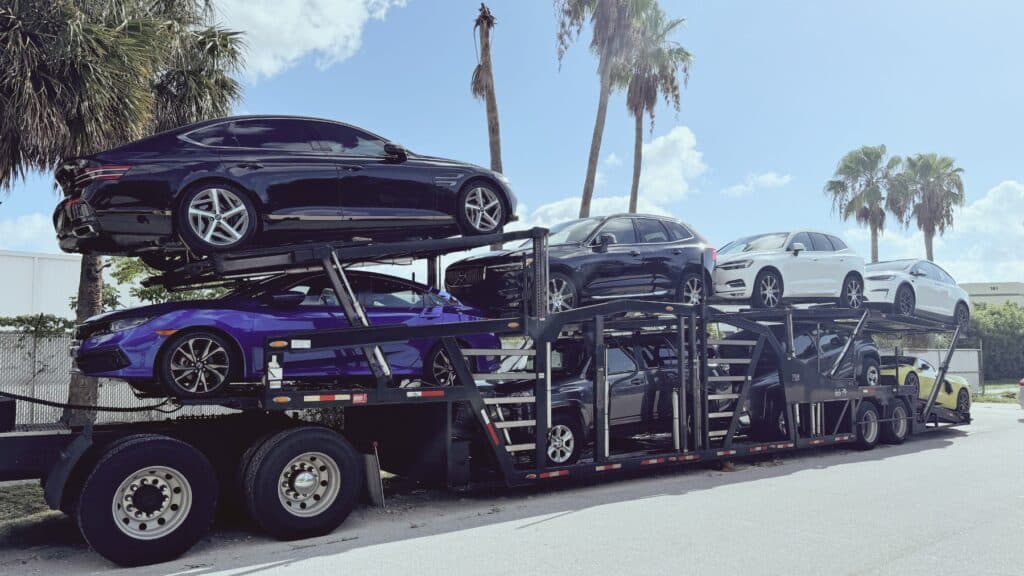
Carriers Collect Your Required Export Documents
The customs process begins well before your vehicle arrives at the port of export. One of the most important steps a carrier takes is compiling the paperwork needed to export your vehicle. They are required both by U.S. Customs and Border Protection (CBP) and by customs authorities in the destination country.
Carriers typically request:
- Original vehicle title
- Copy of your passport or government-issued ID
- Bill of sale (if applicable)
- Power of attorney (POA)—allowing the carrier to submit paperwork on your behalf
- Vehicle identification number (VIN) details
- Shipping instructions with the consignee’s information
The carrier checks them for completeness and correct completion. Misspelling a name is a typographical error that could lead to rejection of the forms at customs.
The sites, such as ShippingCars.org, guide customers through each document so nothing is missing.
Carriers Submit Export Documents to U.S. Customs
The carrier sends the documentation for the vehicle to the CBP for approval before the vehicle can be exported, which usually includes:
The export filing process:
- Submitting your title and identification to the port of departure
- Uploading documentation to the Automated Export System (AES)
- Generating an Internal Transaction Number (ITN)
- Scheduling the customs inspection appointment
As Customs require these 72 hours in advance of loading, it is the responsibility of the carrier to ensure they are in hand or the vehicle held or rolled to the next available ship.
Carriers Prepare the Vehicle for Customs Inspection
After the documents have been stamped by customs, the vehicle is then subject to a physical inspection which is generally scheduled by the carrier.
During the inspection, customs officers verify:
- VIN matches the title
- Owner information is correct
- The vehicle is not stolen
- No hazardous items are inside
- Your car complies with export rules
The carrier will allow inspection of the vehicle and will ensure the vehicle is unlocked and ready for inspection before your vehicle is loaded onto a ship.
Carriers Coordinate Bill of Lading and Export Release
After passage through customs at the border, the carrier prepares a Bill of Lading (BOL), one of the most important documents needed for international shipping.
The Bill of Lading includes:
- Shipper details
- Consignee details
- Vehicle information
- Container or RoRo details
- Departure and arrival ports
- Booking number
The carrier hands to you a bill of lading (BOL), a document that tells you where you pick up the vehicle, proves shipment, and may release the vehicle overseas.
Carriers Handle Destination Country Customs Requirements
Importation regulations, taxes, and inspections among countries can differ greatly. Professional carriers are familiar with these regulations within the paperwork and can help make sure the paperwork is properly filled out.
Carriers assist with:
- Import declaration forms
- Duty and tax calculations
- Environmental compliance documents
- Pre-shipment inspection certificates (if required)
- Translation of documents (for some regions)
- Entry authorization at the destination port
Countries like Australia, New Zealand, Kenya, and the United Kingdom require much of incoming vehicles. Omitting a document may come at a cost.
Using a trusted auto transport service, like ShippingCars.org, helps all steps remain compliant.
Carriers Work With Customs Brokers for Complex Shipments
For certain exports, such as commercial fleets, luxury cars or lien releases, the carriers use the services of professional customs brokers.
Brokers help handle:
- Complicated declarations
- Multi-vehicle paperwork
- Dangerous goods documentation
- Temporary import permits
- Special inspections
Carriers are the link between you and the customs broker, and are responsible for correctly preparing and submitting your papers.
Carriers Facilitate Final Release and Destination Pickup
Once the vehicle has arrived at the destination port, customs has to clear the vehicle again before you, or your agent, can collect it.
Final destination paperwork may include:
- Arrival notice
- Customs release form
- Original Bill of Lading
- Proof of duties/taxes paid
- Identity documents
- Compliance certification
Carriers, or their overseas agents, will contact you in due course about your packing requirements and tell you where you picked up.
There are websites like ShippingCars.org which provide country-specific guidance, so you never have to do it alone.
Why Let Carriers Handle Your Customs Paperwork?
International car shipping requires coordination and timeliness with many government entities and documentation and can be complex and even harmful if not handled correctly. Enabling carriers to perform customs clerical duties:
- Accuracy: Avoid costly mistakes
- Efficiency: Faster customs clearance
- Compliance: Carriers follow all country regulations
- Convenience: No need to visit customs offices
- Security: Professional handling of sensitive documents
They can make your shipping experience smooth. ShippingCars.org makes the process easier for you with provision of guidance, necessary documents, and dependable transport options for your vehicle.
How Is Customs Paperwork Handled by Carriers?
They often minimize the time to clear your shipment through customs, complete paperwork like export documents or requests for inspection, and communicate to brokers.
You likely will deal with international car transporters such as ShippingCars.org if you plan to ship your vehicles overseas.
