

If you are moving abroad, working abroad or selling a car abroad, you may need to know about how to ship a car to South America. Steps include choosing a method of transport, preparing documents needed to ship by sea or air and processing customs. It also entails working with a reputable international shipping company which sounds overwhelming at first but is not that bad once you get to know what to expect.
Everything you need to know about shipping a car to South America exists in this guide. It is simple and inexpensive to ship your car to Brazil, Colombia, Chile, Peru, Argentina or any other country in South America, if you prepare in advance. This guide covers everything you need to know about shipping a car to South America with experts such as ShippingCars.org.
Step 1: Choose the Right Shipping Method
When thinking about shipping a car to South America, one of the first decisions you must make is about what shipping method to use since it will determine the cost, safety, speed and protection of your automobile.
Roll-on/Roll-off (RoRo) Shipping
RoRo is by far the cheapest option, as vehicles simply drive on and off the cargo vessel using strong ramps.
Best for:
- Running vehicles
- Standard cars
- SUVs
- Motorcycles
- Budget-conscious shippers
Advantages:
- Cost-effective
- Faster loading/unloading
- Widely available across major South American ports
- Safe, enclosed decks protect vehicles from weather
Container Shipping
Your car loaded directly into either a 20-foot single shipping container, or a 40-foot shared shipping container with several other cars.
Best for:
- Luxury cars
- Classic cars
- Modified vehicles
- Non-running cars requiring crane loading
Advantages:
- Maximum protection
- Can ship personal belongings inside (depending on destination rules)
- Secure and private transport
Resources such as ShippingCars.org can help you compare the two methods so that you can choose what’s best for your destination, budget, and vehicle.
Step 2: Gather the Required Export Documents
When shipping a car internationally, the following documents need to be filled out, or else export will be delayed.
- Standard Documents Needed
- Original vehicle title
- Bill of sale or proof of ownership
- Valid passport or government ID
- Vehicle registration
- Shipping booking confirmation
- Power of attorney (if using a shipping agent)
- Lien release letter (if the vehicle was financed)
Other South American countries may require additional documentation:
- Import permits
- Tax forms
- Emissions compliance certificates
- Temporary entry documentation
Using ShippingCars.org allows you to get specific details about your destination’s requirements ahead of time.
Step 3: File AES and Receive Your ITN Number
In order for the vehicle to leave the United States, it must be reported for export via the AES.
The AES filing generates an Internal Transaction Number (ITN), which is required for customs clearance at the port.
Why this step matters:
You cannot export your car without the ITN. ShippingCars.org outlines how to complete this process in a timely and correct manner.
Step 4: Prepare Your Vehicle for International Shipping
Vehicles prepared to meet requirements of the port and carrier.
- Vehicle Preparation Checklist
- Clean the interior and exterior thoroughly
- Remove all personal belongings (required for RoRo shipments)
- Leave only a quarter tank of fuel
- Ensure the battery is charged
- Remove loose exterior accessories
- Disable alarms and anti-theft devices
- Check for leaks or tire issues
Countries including Chile, Peru, and Brazil, conduct cleanliness inspections. Soil or plant matter may delay clearance or incur cleaning charges.
Step 5: Deliver the Vehicle to the Departure Port
The major U.S. vehicle ports of export for South America include the following:
- Port of Jacksonville, FL
- Port of Galveston, TX
- Port of Baltimore, MD
- Port of Miami, FL
- Port of Los Angeles, CA (depending on destination)
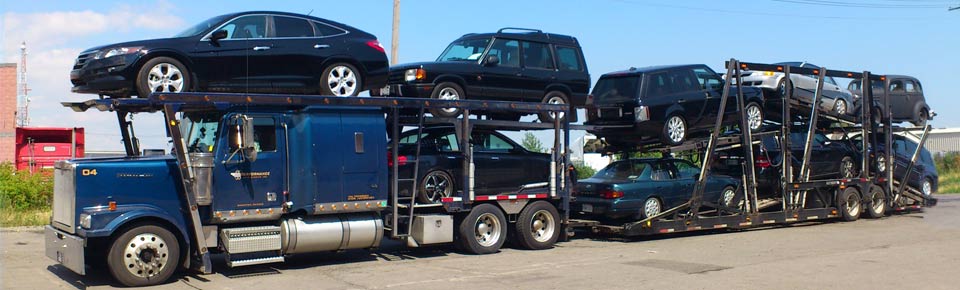
You can either drive the car to the port or book domestic transportation via ShippingCars.org.
At the port:
- Your documents are verified
- Customs records the vehicle’s condition
- The vehicle is staged in a secure area
- It awaits loading onto the vessel
Step 6: Vehicle Loading and Ocean Transit
Once cleared, your vehicle will be loaded onto the vessel.
For RoRo:
- Port staff drive the vehicle into the ship’s cargo deck
- It is parked and secured with wheel straps
- The deck is fully enclosed, protecting it from weather
- For Containers:
- The vehicle is secured inside a steel container
- Heavy-duty straps hold it in place
- The container is sealed and loaded onto the ship with cranes
Transit times to South America vary from 10 to 25 days, depending on the exact destination.
ShippingCars.org will provide tracking so you know where your auto is.
Step 7: Arrival and Import Customs Clearance in South America
The vehicle to clear through the customs process of the destination country before it is released.
Import requirements may include:
- Payment of customs duties and taxes
- Presentation of original paperwork
- Vehicle inspection for safety and emissions
- Compliance with local import regulations
- Proof of identity and ownership
Important:
Some South American countries restrict the import of used vehicles. For example:
- Brazil heavily regulates used vehicle imports
- Chile allows used vehicles only in certain regions
- Argentina restricts used car imports except in special cases
Refer to ShippingCars.org to check whether the country accepts your type of car.
Step 8: Collect Your Vehicle or Arrange Final Delivery
Once your vehicle clears customs:
- You can pick it up at the port
- Or arrange inland transport to your address
If you are outside of the country, a shipping agent will pick up the vehicle for you.
Costs of Shipping a Car to South America
Prices depend on several factors:
- Shipping method (RoRo vs container)
- Distance and departure port
- Destination country
- Vehicle size and weight
- Fuel costs and carrier availability
- Seasonal demand
The average cost of shipping a car to South America is $1500+ to $4000+.
ShippingCars.org helps you get a quote from a vetted international carrier for the best price.
Tips for a Smooth Shipping Experience
Remember these tips if you want to learn how to ship a car to South America.
✔ Start paperwork early
Title issues and import permits take time.
✔ Verify country-specific regulations
Each destination has its own rules.
✔ Book early during busy seasons
Especially before holidays or peak export periods.
✔ Keep multiple copies of your documents
Both digital and printed.
✔ Work with trusted international shippers
ShippingCars.org connects you with professionals who are vetted.
Final Thoughts: How to Ship a Car to South America
Like any international move, knowing how to ship a car to South America is the first step to an easier, faster, and more cost-effective moving process. Finding the best shipping method for your needs, learning what paperwork you’ll need to ship a car to South America, understanding what customs will require, and arranging how you’ll receive your vehicle from the port at your destination is the first step in a stress-free move.
ShippingCars.org gives you access to established carriers, pricing, and licensed worldwide car transport companies to get your car where you want it. Moving, importing a classic car, or selling a vehicle overseas can be much easier through proper planning and support.
